
Buying Used Forestry Equipment: What to Look for and What to Avoid

Buying used forestry equipment can be a cost-effective way to expand your fleet or upgrade your current equipment. However, it's essential to approach the process with caution and a critical eye. In this blog post, we'll provide a comprehensive guide on what to look for and what to avoid when buying used forestry equipment.
What to Look for:
Condition and Age: Consider the equipment's age, condition, and usage. Look for signs of wear, rust, and damage.
Maintenance and Service History: Request maintenance and service records to ensure the equipment has been properly maintained.
Engine and Hydraulic System: Check the engine and hydraulic system for any signs of leaks, damage, or excessive wear.
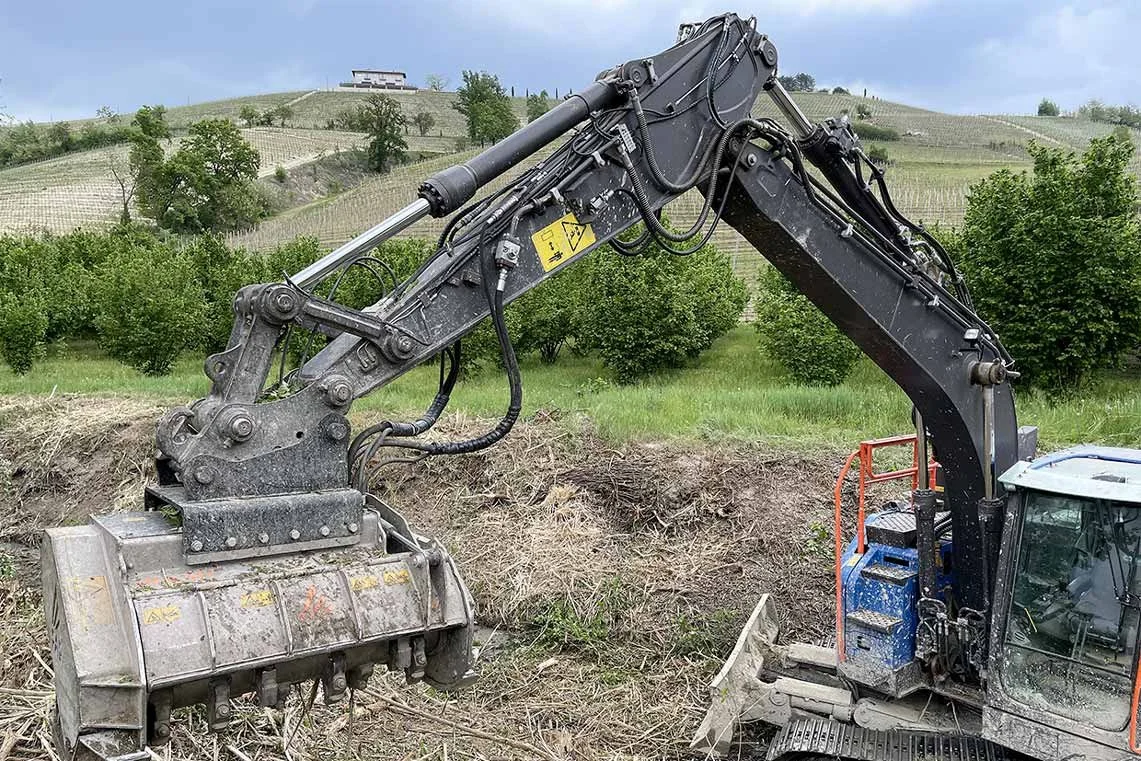
Cutting System and Attachments: Inspect the cutting system and attachments for damage, wear, or signs of excessive use.
Safety Features: Ensure the equipment has all necessary safety features, such as guards, warning lights, and alarms.
Certifications and Compliance: Verify the equipment meets all relevant industry standards and regulations.
What to Avoid:
Poor Maintenance History: Be wary of equipment with a poor maintenance history or absence of records.
Signs of Neglect: Avoid equipment with signs of neglect, such as rust, corrosion, or excessive wear.
Engine or Hydraulic System Issues: Be cautious of equipment with engine or hydraulic system problems, as these can be costly to repair.
Safety Concerns: Avoid equipment with safety concerns, such as missing or damaged guards, or non-functional warning lights.
Unusual or Unexplained Wear: Be suspicious of equipment with unusual or unexplained wear patterns, as this could indicate underlying issues.
Lack of Documentation: Be wary of equipment without proper documentation, such as manuals, service records, or certification.

Additional Tips:
Inspections: Consider hiring a third-party inspector or mechanic to evaluate the equipment.
Warranty: Check if the equipment still has a valid warranty or if the seller is offering any guarantees.
Test Run: Request a test run to ensure the equipment is functioning properly.
Compare Prices: Research the market value of the equipment to ensure you're getting a fair deal.
Ask Questions: Don't hesitate to ask the seller questions about the equipment's history, condition, and maintenance.

Buying used forestry equipment can be a cost-effective way to expand your fleet or upgrade your current equipment. However, it's essential to approach the process with caution and a critical eye. By knowing what to look for and what to avoid, you can make an informed decision and avoid costly mistakes. Remember to inspect the equipment thoroughly, ask questions, and consider hiring a third-party inspector to ensure you're getting a reliable and safe piece of equipment.